 how-to
Yerba Mate Tea for Metabolic Health: Evidence and Practical Use
Table of Contents
- What Yerba Mate Tea Is and Why It Matters for Metabolic Health
- Yerba Mate Benefits and Risks: What the Research Actually Shows
- Yerba Mate for Weight Loss: Realistic Expectations
- How Much Yerba Mate to Drink Daily for Results
- Yerba Mate and Blood Sugar: What You Need to Know
- Integrating Yerba Mate Into Your Metabolic Health Routine
- Frequently Asked Questions
Last Updated: October 18, 2026
What Yerba Mate Tea Is and Why It Matters for Metabolic Health
Yerba mate tea for metabolic health has gained attention as more people seek natural approaches to blood sugar control and weight management. Many wonder whether this traditional South American beverage delivers results or is mostly hype.
Yerba mate is a beverage made from the leaves of Ilex paraguariensis, a plant native to South America. The drink has been consumed for centuries in Argentina, Paraguay, and Brazil. It contains caffeine, antioxidants, and compounds that may influence how your body processes energy and manages appetite.
The key question is whether the science supports using it as part of a metabolic health strategy.
Yerba Mate Benefits and Risks: What the Research Actually Shows
The research on yerba mate falls into several categories. Some findings are solid; others are preliminary. This section separates them by outcome and evidence type.
Weight Loss and Body Composition
What human studies suggest: Several small human trials and observational studies report modest reductions in body fat or waist circumference, but effects are small and studies are short.
What animal and laboratory research shows: Animal studies more consistently report increased thermogenesis and fat oxidation, but these findings do not always translate to humans at typical beverage doses.
What this means for you: Weight loss from yerba mate alone is unlikely to be dramatic. Combined with calorie management and movement, it may contribute to gradual progress, but don't expect it to compensate for a poor diet or sedentary lifestyle.
Blood Sugar and Glycemic Control
What human studies suggest: A handful of small human studies suggest potential benefits for glycemic control, particularly in individuals with metabolic syndrome or insulin resistance, via slowed gastric emptying and improved insulin sensitivity.
What animal and laboratory research shows: Laboratory studies show that polyphenols in yerba mate may inhibit enzymes involved in carbohydrate digestion and improve insulin signaling, plausible mechanisms, but not proof of clinical benefit.
What this means for you: If your blood sugar spikes after meals, yerba mate might help moderate that response, making it easier to stick with dietary changes.
Cholesterol and Triglycerides
What human studies suggest: Some small human studies report modest improvements in lipid profiles, particularly reductions in LDL cholesterol and triglycerides, among regular yerba mate drinkers, though study quality varies.
What animal and laboratory research shows: Animal studies more consistently show lipid-lowering effects, but doses and preparations differ from typical human consumption.
What this means for you: If you have elevated cholesterol or triglycerides, yerba mate may be a reasonable addition to a heart-healthy diet, but not a substitute for dietary changes or prescribed medication.
Energy, Appetite, and Exercise Performance
What human studies suggest: The caffeine content of yerba mate, typically 65-196 mg per cup depending on preparation strength, contributes to increased alertness and reduced fatigue, one of the better-supported effects. Some research suggests it may also support appetite suppression and endurance, though that evidence is less robust.
What animal and laboratory research shows: Animal studies suggest effects on appetite-regulating hormones, but human data are limited.
What this means for you: For exercise, the stimulant effects may improve endurance and reduce perceived effort. For appetite, the effect is real for some people but not universal.
Safety and Known Risks
Yerba mate is generally safe for most adults in moderate amounts. However, several important cautions exist.
High-temperature consumption: The primary concern involves how yerba mate is traditionally prepared. In South America, it is often consumed near boiling.
Caffeine sensitivity: People with anxiety, sleep problems, or caffeine sensitivity should start with small amounts. Pregnant women should consult their healthcare provider first, as high caffeine intake during pregnancy carries risks.
Medication interactions: Yerba mate may interact with certain medications, including some blood pressure medications and anticoagulants. If you take prescription medications, check with your doctor before making yerba mate a daily habit.
How to Read Yerba Mate Research
When you encounter a headline claiming yerba mate "boosts metabolism" or "melts fat," ask three questions: Was the study in humans or animals? How many participants, and for how long? Was yerba mate tested alone or in a proprietary blend? Most sensational claims trace back to small, short-term or animal research. Treat yerba mate as one small lever among many, not a standalone solution.
Yerba Mate for Weight Loss: Realistic Expectations
Weight loss requires a calorie deficit. Yerba mate doesn't create that deficit on its own, but by moderating appetite and stabilizing blood sugar, it reduces the hunger and cravings that derail most attempts, and provides sustained energy without the crash from sugar-sweetened beverages.
Think of it as a tool that supports your effort, not a solution that replaces it. Those who see the best results combine yerba mate with whole foods, adequate protein, regular movement, and consistent sleep.
| Factor | Impact | Realistic Timeline |
|---|---|---|
| Appetite suppression | Moderate | 1-2 weeks to notice |
| Energy improvement | Noticeable | 3-5 days |
| Body composition change | Gradual | 8-12 weeks with consistent habits |
| Blood sugar stabilization | Moderate | 2-4 weeks |
How Much Yerba Mate to Drink Daily for Results
The effective dose for metabolic benefits appears to be 1-3 cups per day, the range used in most research showing positive effects. But "a cup" is not standardized with yerba mate, so here is how to translate that range into a practical routine.
Starting Dose and Titration
Begin with one cup daily for the first week to adjust to the caffeine. If you tolerate it well, no jitters, sleep disruption, or digestive discomfort, increase to two cups, then three. Spread consumption across the morning and early afternoon; consistency matters more than occasional large amounts.
A common pattern among regular drinkers is one cup mid-morning and one early afternoon, with the last cup finished at least six to eight hours before bedtime. Caffeine has a half-life of roughly three to seven hours in most adults, so a late-afternoon cup can still affect sleep quality even if you fall asleep easily.
Caffeine Content and Variability
A standard cup of yerba mate contains roughly 65-196 mg of caffeine, depending on brew strength, less than coffee (95-200 mg) but more than black tea (25-50 mg). The wide range reflects differences in leaf cut, water temperature, steep time, and leaf-to-water ratio.
| Preparation | Approximate Caffeine | Notes |
|---|---|---|
| Weak brew (2-3 min steep, 1 tsp leaf) | 30-65 mg | Good starting point for caffeine-sensitive individuals |
| Standard brew (5 min steep, 1 tbsp leaf) | 65-120 mg | Typical daily cup for most adults |
| Strong brew (7+ min steep, generous leaf) | 120-196 mg | Comparable to a strong coffee; use caution |
If you are caffeine-sensitive, start with a weaker brew and shorter steep, fewer stimulant effects, but you may still benefit from the antioxidants. Avoid drinking it on an empty stomach if you're prone to nausea or acid reflux; pair it with food.
Timing for Metabolic Goals
For appetite suppression and energy support, drink it in the morning or early afternoon; evening consumption may interfere with sleep and undermine your metabolic health goals.
For blood sugar moderation, some practitioners suggest consuming yerba mate with or shortly before a meal containing protein and fat; polyphenols may slow gastric emptying for a more gradual rise in blood glucose.
For exercise, caffeine from yerba mate taken 30-60 minutes before activity may improve endurance and reduce perceived effort. If you train in the evening, weigh the performance benefit against the risk of sleep disruption.
Preparation Methods and Unsweetened vs. Commercial Drinks
How you prepare yerba mate matters significantly.
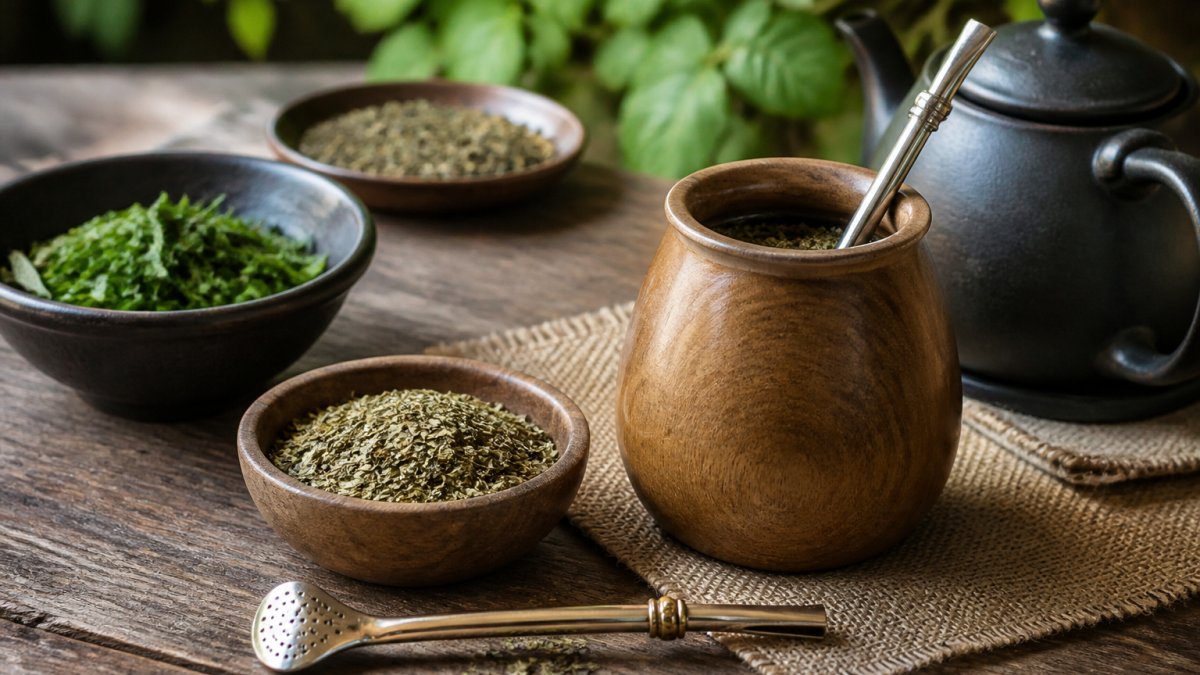
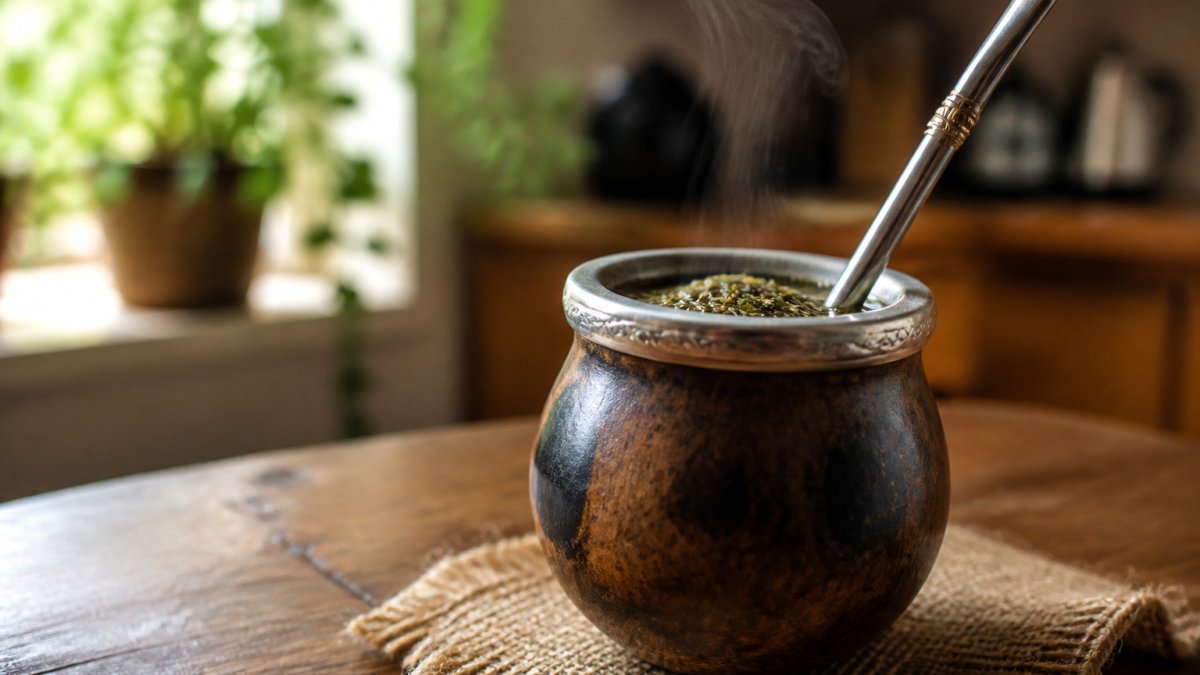
Traditional preparation uses loose yerba mate leaves steeped in hot water in a gourd and sipped through a bombilla, full benefit of the plant's compounds without added sugars. Use water at 160-180°F rather than boiling; let boiling water cool 3-5 minutes before pouring.
Tea bags are convenient and work fine, though the leaf quality may be lower than loose-leaf options. Steep 3-5 minutes for a moderate strength.
Commercial yerba mate drinks, bottled or canned, often contain added sugars and artificial flavors that undermine metabolic health. A sweetened drink can contain 20-40 grams of sugar per serving, spiking blood glucose and canceling out any benefits.
A Realistic Daily Routine
A practical routine: one cup of unsweetened yerba mate mid-morning, one early afternoon, and water or herbal tea in the evening. Pair the first cup with a protein-containing breakfast or snack, skip the sugar and honey, and keep the water below boiling. Track energy, appetite, sleep, and digestion for two to three weeks before adjusting the dose.
Yerba Mate and Blood Sugar: What You Need to Know
Blood glucose stability is central to metabolic health. When blood sugar swings wildly, your body produces more insulin, stores more fat, and you experience constant hunger and fatigue.
Yerba mate appears to moderate these swings: polyphenols in the leaves may slow gastric emptying for a more gradual rise in blood glucose after meals.
The practical implication: if you struggle with energy crashes and intense afternoon cravings, yerba mate consumed with a meal containing protein and fat may help you avoid the sharp glucose spike that triggers those symptoms.
Integrating Yerba Mate Into Your Metabolic Health Routine
Yerba mate works best as part of a coordinated approach, not as a standalone fix.
Individuals who see the most consistent results combine yerba mate with a few other strategies.
Second, use yerba mate to replace sugary beverages.
Third, maintain consistency, daily consumption allows the compounds to accumulate over time.
Fourth, pay attention to your own response. Some notice appetite suppression within days; others see energy or blood sugar changes over weeks.
Yerba mate tea for metabolic health works best when you approach it realistically.
If you're ready to take metabolic health seriously, guthealthfixed offers a personal, experience-based approach to metabolic health and weight management, centered on the 'Feel Great' system.
Frequently Asked Questions
Can yerba mate actually help with weight loss, or is it just marketing?
Yerba mate contains compounds that may support fat oxidation and increase energy expenditure, but the effect is modest. Research shows potential for weight loss when combined with calorie management and exercise, not as a standalone solution. Most studies are preliminary or animal-based. Real weight loss comes from consistent nutrition and activity; yerba mate can be a supporting tool, not a replacement for the core work.
How does yerba mate affect blood sugar levels?
Yerba mate and blood sugar research suggests the tea may help slow gastric emptying and improve insulin sensitivity in some studies, which could support more stable blood glucose levels. However, evidence is limited and mixed. If you're on diabetes medication, unsweetened yerba mate is essential, commercial sweetened versions will spike blood sugar. Always consult your doctor before making changes to your routine if you take medication.
How much yerba mate should I drink per day to see metabolic benefits?
Most research uses 1-3 grams of yerba mate per day, typically prepared as 1-3 cups of brewed tea. Start with one cup daily and assess tolerance. Yerba mate contains caffeine (about 85 mg per cup), so timing matters, morning or early afternoon works best to avoid sleep disruption. Unsweetened preparation is crucial for metabolic health goals. Individual responses vary, so track your energy and digestion as you adjust the amount.
What are the main risks of drinking yerba mate regularly?
Yerba mate is generally safe in moderate amounts, but high-temperature consumption (a traditional preparation method) has been linked to esophageal cancer risk in some populations. Caffeine sensitivity, sleep disruption, and digestive upset are possible. Higher doses may increase heart rate or blood pressure in sensitive individuals. Pregnant women and those with certain heart conditions should check with a healthcare provider before regular use. Unsweetened preparation avoids added sugar complications.