 ultimate-guide
How to Lose Weight After 50: A Complete Guide
Table of Contents
- Why Is It Hard to Lose Weight After 50
- Best Diet for Weight Loss After 50
- Strength Training for Weight Loss After 50
- Daily Habits That Support Weight Loss After 50
- How to Maintain Weight Loss After 50
- When to Seek Professional Guidance
- Frequently Asked Questions
Last Updated: October 10, 2026
Why Is It Hard to Lose Weight After 50
Learning how to lose weight after 50 presents distinct challenges that differ significantly from weight loss in younger years. Your body's physiology changes in ways that make the same strategies that worked at 30 less effective at 60. Understanding these changes isn't an excuse, it's the foundation for a realistic plan.
Metabolic slowdown and muscle loss
Your metabolism slows by approximately 2-8% per decade after age 30, meaning your body burns fewer calories at rest simply because you're older. This isn't inevitable decline you can't influence; it's a predictable shift driven by muscle loss.
The critical insight here: you can't out-diet muscle loss. Eating less without preserving muscle accelerates the problem. This is why strength training becomes non-negotiable for weight loss after 50, not optional.
Hormonal changes and their impact
Hormonal shifts create real metabolic headwinds. For women, menopause brings declining estrogen, which shifts fat storage toward the abdomen and reduces insulin sensitivity. For men, testosterone gradually declines, making it harder to build and maintain muscle.
What most guides miss: these hormonal changes don't prevent weight loss, they change the formula. You'll need higher protein intake, more consistent strength training, and often better sleep management than you did at 40.
Best Diet for Weight Loss After 50
Diet quality matters more after 50 than calorie counting alone. Your digestive system processes nutrients less efficiently, your appetite regulation hormones shift, and your body's ability to build muscle from protein becomes more dependent on getting adequate amounts per meal.
Prioritize lean protein and whole foods
Lean protein should anchor every meal. Aim for 25-30 grams per meal, roughly the palm of your hand in size, because your body requires higher protein intake to stimulate muscle protein synthesis as you age.
A practical approach: build your plate around protein first. Add vegetables next for fiber and micronutrients. Include a healthy fat source like olive oil or avocado. Whole grains or starchy vegetables round out the meal.
Manage portions and calorie awareness
Portion control becomes more important after 50 because your body requires fewer total calories. Most adults over 50 need 200-400 fewer calories daily than they did in their 30s.
Instead of restrictive dieting, use the "plate method": fill half your plate with non-starchy vegetables, one quarter with lean protein, and one quarter with whole grains or starchy vegetables. This visual approach naturally creates a calorie deficit without obsessive tracking.
Reduce added sugar and processed foods
Added sugar drives blood sugar spikes, increases fat storage, and fuels cravings. Processed foods often contain hidden sugars, refined carbohydrates, and excessive sodium.
Focus on foods with a single ingredient: apples, broccoli, chicken, rice. When you need packaged items, read labels for added sugars, aim for less than 5 grams per serving. This shift alone often creates meaningful weight loss without additional changes.
Strength Training for Weight Loss After 50
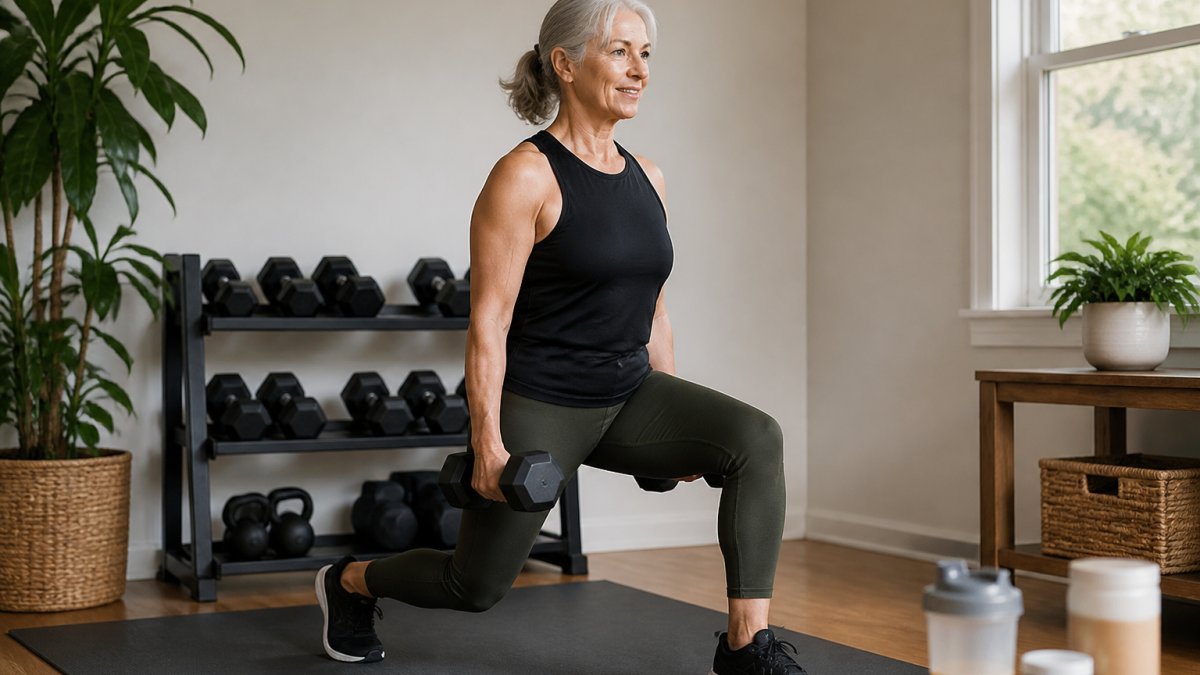
Strength training is the most powerful lever for weight loss after 50 because it directly addresses the muscle loss driving metabolic slowdown. This isn't about becoming muscular, it's about preserving the metabolically active tissue your body naturally loses with age.
Preserve muscle mass through resistance exercise
Resistance training, using weights, resistance bands, or bodyweight, signals your body to maintain and build muscle. Two to three sessions per week targeting major muscle groups (legs, chest, back, core) is sufficient. Each session should last 30-45 minutes.
A practical progression: begin with bodyweight exercises like squats, push-ups modified against a wall, and planks. Progress to light dumbbells once you've mastered movement patterns.
Combine strength work with cardio
Cardiovascular exercise burns calories and supports heart health, but it shouldn't replace strength training. Aim for 150 minutes of moderate cardio weekly, a 30-minute walk five days per week meets this target (the WHO). Low-impact options like walking, swimming, and cycling reduce joint stress, which matters as you age.
The combination works synergistically: strength training preserves muscle and boosts metabolism; cardio burns calories and improves cardiovascular health. Neither alone produces optimal results after 50.
Daily Habits That Support Weight Loss After 50
Sustainable weight loss after 50 depends on habits you can maintain indefinitely, not temporary changes. Small daily shifts compound into significant results over months.
Stay hydrated and manage cravings
Dehydration often masquerades as hunger. Many people over 50 have a blunted thirst signal, meaning they don't feel thirsty even when their body needs water. Aim for half your body weight in ounces of water daily, a 180-pound person targets 90 ounces.
Cravings typically signal either nutrient deficiency, dehydration, or blood sugar dysregulation. Addressing these root causes works better than willpower. Eating adequate protein and staying hydrated eliminate many cravings without additional intervention.
Increase daily movement and reduce sedentary time
Exercise sessions matter, but daily movement creates consistent calorie burn. Aim to reduce sitting time by standing more, taking short walks, doing light stretching, or taking stairs.
A practical shift: set a timer for every 30 minutes of sitting. Stand and walk for 2-3 minutes. This habit alone, combined with structured exercise, produces measurable improvements in weight management and blood sugar control.
Track progress beyond the scale
The scale measures total weight, which includes muscle, bone, water, and organs, not just fat. After 50, you might lose 10 pounds of fat while gaining 2 pounds of muscle, showing only an 8-pound loss on the scale.
Track these metrics instead: how your clothes fit, body measurements (waist, hips, chest), strength improvements (lifting heavier weights), and energy levels. Take progress photos monthly. These measures reveal fat loss the scale misses.
Progress Metric | How to Measure | Frequency |
|---|---|---|
Body weight | Standard scale | Weekly |
Waist circumference | Measuring tape at navel | Monthly |
Clothing fit | Try on consistent outfit | Every 4-6 weeks |
Strength | Track weights lifted | Every session |
Energy and mood | Personal assessment | Weekly |
How to Maintain Weight Loss After 50
Losing weight means nothing if you regain it. Maintenance after 50 requires understanding that your body's requirements have permanently shifted, you'll always need less food than you did at 30, and you'll always need strength training to preserve muscle.
Build sustainable habits, not temporary fixes
Weight loss after 50 fails when people treat it as a temporary project. Restrictive diets, extreme exercise routines, and unsustainable changes work short-term but collapse under real-life pressure. Instead, adopt habits you can maintain for decades: eating whole foods most of the time, exercising consistently, staying hydrated, and sleeping adequately.
The difference between success and failure often comes down to sustainability. A moderate approach you maintain for five years beats an intense approach you quit after three months.
Navigate plateaus and setbacks
Weight loss plateaus are normal and temporary, not signs of failure. Plateaus occur because your body adapts to your current calorie intake. Breaking through requires small adjustments: slightly reducing calories, increasing training intensity, or adding variety to your workouts.
Setbacks happen, illness, stress, travel, life events disrupt routines. The difference between temporary setbacks and permanent regain is how quickly you return to your habits. Missing one week doesn't erase progress; missing three months does.
When to Seek Professional Guidance
Weight loss after 50 intersects with medical considerations that younger people often don't face.
A registered dietitian can create a personalized nutrition plan accounting for your specific health conditions, medications, and preferences. This guidance prevents common mistakes like inadequate protein intake or nutrient deficiencies that undermine long-term success.
Losing weight after 50 requires understanding your body's changed physiology and adjusting your approach accordingly. At guthealthfixed, we offer a personal, experience-based approach to metabolic health and weight management, centered on the 'Feel Great' system.
Frequently Asked Questions
Why is it so hard to lose weight after age 50?
After 50, your metabolism naturally slows by 2-8% per decade, and hormonal changes (especially menopause in women) reduce calorie burn. You also lose muscle mass faster without strength training, and muscle burns more calories at rest than fat. Additionally, medications for blood pressure, diabetes, or cholesterol can affect weight. These factors combine to make weight loss after 50 harder, but not impossible—it just requires a different approach focused on strength training, adequate protein, and sustainable habits rather than extreme restriction.
What is the best diet for weight loss after 50?
The best diet emphasizes whole, nutrient-dense foods: lean protein (chicken, fish, eggs, legumes), leafy greens, and healthy fats. Protein is critical because it preserves muscle mass during weight loss and keeps you fuller longer. Reduce added sugar and highly processed foods, which spike blood sugar and increase cravings. Portion control matters—aim for a moderate calorie deficit, not extreme restriction. Many people find success with consistent home cooking, staying hydrated with water, and reducing liquid calories. Avoid restrictive diets; focus on eating real food you can sustain long-term.
How much strength training do I need to lose weight after 50?
Aim for resistance exercise 2-3 times per week, targeting all major muscle groups. This preserves lean muscle mass, which is essential because muscle loss accelerates after 50 and slows your metabolism. Combine strength training with 150 minutes of moderate cardio weekly (or 75 minutes vigorous). Start with lighter weights and focus on proper form to avoid injury. Consistency matters more than intensity—regular, sustainable training beats sporadic heavy sessions. If you're new to exercise, work with a trainer first to learn safe technique.
How do I know if my weight loss is working if the scale isn't moving?
The scale doesn't show the full picture. Track body composition changes: waist circumference, how clothes fit, energy levels, strength gains, and sleep quality. Muscle weighs more than fat, so you might lose fat while gaining muscle and see no scale change. Take photos monthly, measure your waist, and notice how you feel. Blood sugar stability, reduced cravings, and improved blood pressure are also signs the program is working, especially if you're managing a health condition. Focus on sustainable progress, not daily scale fluctuations.
What should I do if I hit a weight loss plateau after 50?
Plateaus are normal and usually temporary. First, check your portions and protein intake—habits drift over time. Increase daily movement beyond formal exercise: take stairs, walk more, reduce sitting time. Vary your strength training to challenge muscles differently. Ensure you're sleeping 7-9 hours; poor sleep stalls weight loss. Stay hydrated and manage stress, which can trigger cravings and slow metabolism. If the plateau lasts more than 4 weeks, review your approach or consult a healthcare provider to rule out medication or health condition changes affecting your metabolism.
Can I lose weight after 50 without extreme calorie restriction?
Yes. Extreme restriction backfires—it increases hunger, reduces energy, and causes muscle loss, which slows your metabolism further. Instead, create a moderate calorie deficit through whole foods, adequate protein, and increased activity. Many people find success by focusing on what to add (lean protein, vegetables, water, movement) rather than what to cut. This approach is sustainable, preserves muscle, and works with your body's needs after 50. Rapid weight loss often leads to regain; steady progress built on habits you can keep long-term is more effective.
Is weight loss after 50 different for women than for men?
Yes, hormonal differences matter. Women over 50 often face menopause-related changes: lower estrogen increases belly fat storage and slows metabolism. Women typically have less muscle mass to start, so strength training is even more critical for them. Men may retain more muscle naturally but still need resistance exercise to prevent age-related muscle loss. Both genders benefit from the same core strategies—protein, strength training, whole foods, and daily movement—but women may need to pay extra attention to strength work and may see slower initial results due to hormonal shifts.
Should I talk to my doctor before starting a weight loss program after 50?
Yes, especially if you take medications for diabetes, blood pressure, cholesterol, or heart disease. Weight loss can improve these conditions, and your doctor may need to adjust medication doses. If you have joint problems, heart concerns, or other health conditions, ask your doctor which exercises are safe. A healthcare provider can also rule out thyroid issues or other metabolic problems affecting your weight. This isn't a barrier—it's smart planning. Your doctor can support your goals and help you track health improvements beyond the scale.